


Consultation, design, and construction of a used oil recycling unit
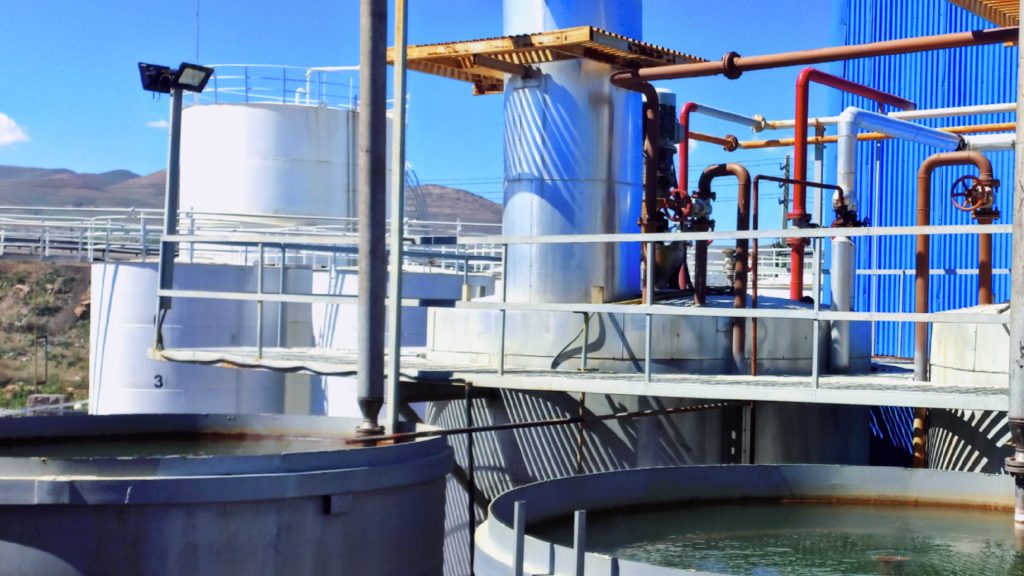
Recycling Used Motor Oil used motor oil is insoluble, durable in the environment, and does not easily decompose. It contains significant amounts of toxic substances, chemicals, and heavy metals, and adheres to surfaces, leading to serious environmental pollution.
The re-refining of used oils into base oils was first carried out in 1935. Recycled oils after re-refining are referred to as “second refined oils.” However, the high costs of processing, the relatively high price compared to virgin oils, incomplete removal of carcinogenic polycyclic aromatics, poor appearance, and increasing complexity of base oil blends and additives in modern lubricants initially led to limited acceptance of these oils.
Used oil can be recycled mainly because the fundamental structure of the base oil remains largely unchanged.
The second refining process for used oils involves several key stages, which are generally common across all recycling methods:
Separation of Solid Impurities and Water: Achieved through sedimentation and dehydration processes.
Removal of Volatile Components and Residual Fuel: Such as gasoline and diesel, usually via atmospheric distillation. The recovered light hydrocarbons can be utilized for energy production.
Separation of Additives and Degradation Byproducts: Using acid treatment, solvent extraction (with propane), vacuum distillation, and partially through hydrogenation. This improves density, viscosity index, longevity, and color.
Finishing Stage: Any remaining impurities are removed through final purification processes, such as hydrotreating, adsorption (e.g., using bleaching clay), or selective solvent extraction (e.g., furfural extraction).
Common Used Oil Recycling Methods
1. Acid-Clay Refining (Acidic Method)
A traditional three-step method:
Primary Distillation: Heating up to around 360°C (±20°C).
Acid Washing: Cooling the oil, mixing with approximately 8% sulfuric acid by weight, followed by sludge separation after 48 hours.
Secondary Distillation and Bleaching: Further heating up to 320°C, mixing with about 12% bleaching clay, cooling, and filtering.
Drawbacks:
High energy consumption, environmental concerns over acid sludge, multi-stage complexity, and high investment costs have led to this method being phased out.
2. Clay Treatment (Soil Method)
This is a single-stage process, involving heating used oil with an additive and inexpensive bleaching clay in a reactor. After heating and filtering, the base oil is recovered.
Advantages:
Lower initial investment compared to acid refining.
No acid sludge generation.
Shorter process time (less than one day).
Competitive quality and yield.
3. Vacuum Thin Film Distillation
The latest and most efficient method in Iran, known as “thin film technology,” gaining popularity for being environmentally friendly and cost-effective.
Process:
Used oil is fed into a distillation column where it is heated via boiling and circulation. Different fractions (e.g., diesel, hydraulic base oil, Group I base oil) are collected at various temperatures under vacuum.
Advantages:
Complete polymer removal.
Minimal molecular breakdown, higher oil yield.
Low ash content due to the non-volatility of metals.
Residue can be used as vacuum bottom (feedstock for asphalt production).
Very fast processing and efficient fractionation.
Solvent Extraction with Propane (IFP Technology)
This advanced extraction method involves:
Heating the oil to around 160°C to remove water and volatile components.
Propane Extraction: Removing asphaltic substances and metals under 30–70°C and 15 atm pressure.
Minimal acid treatment with about 2% sulfuric acid.
Bleaching using clay and filtration.
Vacuum distillation for separating different oil fractions.
Benefits:
Reduces acid usage.
Higher final oil quality.
When combined with hydrogenation, the process includes:
Preliminary lime treatment.
Propane extraction.
Hydrogenation.
Clay treatment and filtration.
Final vacuum distillation.
Environmental and Economic Benefits of Recycling Used Oil
Environmental Protection:
Air: Reduces CO₂ emissions.
Water: Prevents massive water pollution (1 liter of oil can contaminate 1,000,000 liters of water).
Soil: Avoids soil aeration issues and root growth inhibition.
Economic Efficiency:
3 liters of base oil can be produced from just 4 liters of used oil compared to requiring 159 liters of crude oil.
Faster recovery time than crude oil refining.
Saves energy, labor, and costs.
Lower raw material cost and higher quality final products.
Residues can be utilized in asphalt production.
Advantages of Thin Film Vacuum Distillation
No use of acid or clay.
Suitable for high-viscosity liquids.
High production efficiency without corrosion, rust, or coke formation.
Self-cleaning capability.
Preservation of oil properties and quality.
Low-pressure drops and high heat transfer rates.
Recovery efficiency over 90%.
Evaporation at low temperatures without degradation.