
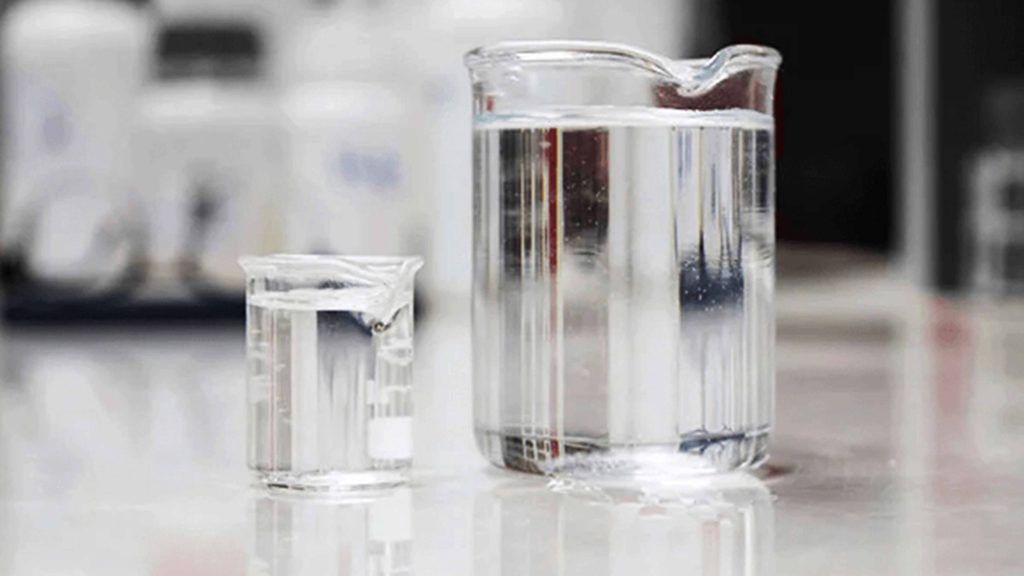
What is White Spirit?
White spirit, also known as mineral spirit, is a clear liquid derived from kerosene (paraffin). It includes solvents such as 400, 402, 403, 406, and 410. These substances are composed of aliphatic and aromatic hydrocarbons and have specific properties and odors depending on the percentage of aromatic content. Based on their aromatic content, white spirits are classified into two categories: high-aromatic and low-aromatic. Among the different types, Solvent 402 has particular importance and applications. White spirits have a melting point of -40°C and a boiling range of 150–200°C.
Types of White Spirits:
There are two main classifications for white spirits:
• Based on aromatic content
• Based on flash point
Aromatic Content Classification:
There are four types:
Type 0:
Strong odor. Composed mainly of saturated hydrocarbons with 9–12 carbon atoms and a boiling range of approximately 140–220°C.
Type 1:
Derived from the catalytic desulfurization of Type 0. Contains hydrocarbons with 7–12 carbon atoms and a boiling range of 90–230°C (aromatic < 25%).
Type 2:
Low-aromatic white spirit obtained by solvent extraction. Contains aliphatic hydrocarbons (C7–C12) with a boiling range of 90–230°C (aromatic < 5%).
Type 3:
Odorless white spirit made by hydrogenation in the presence of a catalyst. Boiling range of 65–230°C, mainly C6–C12 hydrocarbons, with aromatic content < 1%.
Flash Point Classification:
Each type of white spirit can be categorized based on its flash point:
• Low flash point: 21–30°C
• Medium flash point: 31–54°C
• High flash point: Above 54°C
The flash point varies based on the crude oil used and distillation conditions.
Properties of White Spirit:
White spirits are clear, colorless, flammable liquids with a mild odor. They have low solubility in water, high chemical stability, non-corrosiveness, and a high evaporation rate. White spirit is used for cleaning and degreasing machinery parts and tools. It is a preferred solvent for painters as a less toxic alternative to turpentine.
Production Process:
White spirits are mainly produced in refineries. The process involves extractive distillation of kerosene using solvents such as sulfolane, sulfur dioxide, and N-methylpyrrolidone. Kerosene is a heavy hydrocarbon composed of chains with 10–17 carbon atoms, including linear and branched alkanes and cycloalkanes (about two-thirds of its composition). Aromatics make up 20–25% of kerosene, and olefins about 5%.
White spirit is a mixture of hydrocarbons with 7–12 carbon atoms. By cracking heavy kerosene, lighter compounds like solvent 402 are obtained. Distilling kerosene between 140–215°C yields three fractions:
• The first cut, with ~20% aromatics, is Type 0
• Type 1 is derived by hydrodesulfurizing Type 0
• Type 3, the odorless version, is produced by hydrogenating Type 1 to reduce aromatics below 5%.
Applications of White Spirit:
White spirits are widely used across multiple industries:
1.Construction Industry:
Used as effective organic solvents for paint thinning and drying agents. They reduce paint viscosity, speed up drying, and improve surface smoothness. Commonly used to clean brushes after painting.
2.Chemical Industry:
• Solvent for degreasing and material extraction
• Cleaning machinery parts and removing excess oils
• Cleaning printing plates after using oil-based or plastisol inks
• Other uses include:
• Adhesives
• Rubber and resins
• Polishes
• Asphalt products
• Liquid photocopy toners
3. Cosmetic Industry:
Used in nail polish removers.
4. Automotive Industry:
Used to clean oils, greases, and residues from metal surfaces.
Other Applications:
• Furniture and floor wax solvents
• Dry-cleaning solvent for diamond cutting devices
• Polish solvents for shoes and leather/wood items
• Textile printing solvent
Safety Precautions for Using White Spirit:
Due to its flammable nature, white spirit should not be released into the surrounding environment and must not be stored near oxidizing agents. Avoid using it near electrical equipment, heat sources, or in confined spaces.
Storage:
Store in cool, well-ventilated areas, away from direct sunlight and in tightly sealed containers.
Health Hazards:
White spirit contains aromatic and hydrocarbon compounds that can act as irritants and are considered highly hazardous chemicals.
• Ingestion: Can cause stomach pain, heart and respiratory issues, coma, or death.
• Inhalation: May cause nasal, throat, and lung irritation, nausea, and dizziness.
• Skin contact: Leads to dryness, irritation, and long-term dermatitis.
• Eye contact: Causes redness and burning; prolonged exposure may lead to serious issues.
Chronic exposure can cause symptoms similar to drug intoxication, including unconsciousness.


